
The six services
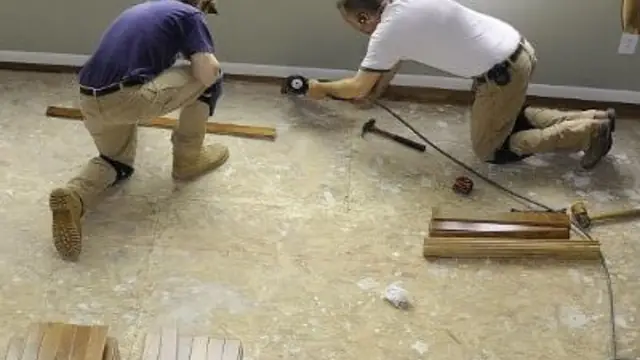
Water Damage Repair
Rebuilding drywall, ceilings, flooring, cabinets and paint after a leak or flood has been dried and the source fixed.
View Water Damage Repair →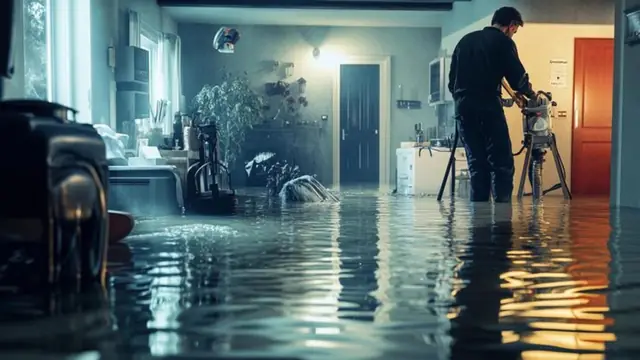
Water Mitigation
Stopping a water loss in the first 24 to 72 hours with extraction, drying equipment and moisture mapping.
View Water Mitigation →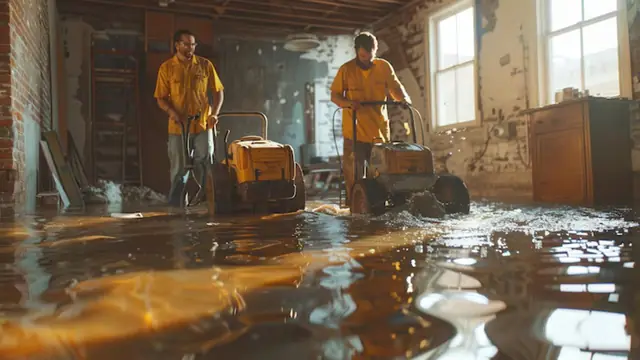
Water Damage Cleanup
Removing wet debris and contaminated materials, then sanitizing and deodorizing after the water source is stopped.
View Water Damage Cleanup →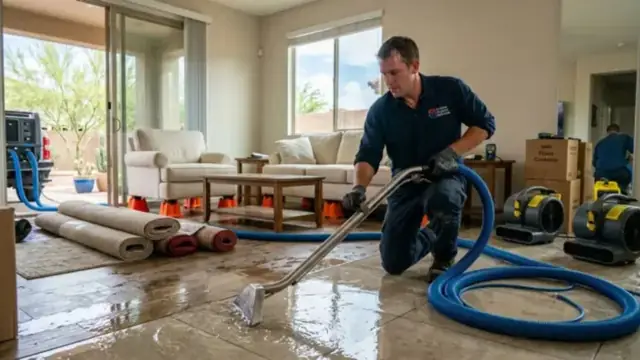
Emergency Water Removal
Pumps and extraction units remove standing water from burst pipes, leaks and floods, day or night.
View Emergency Water Removal →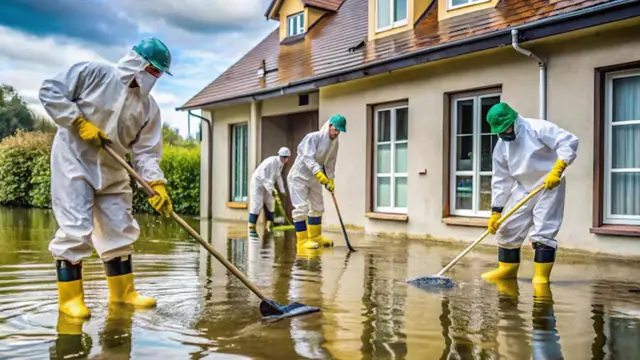
Flood Damage Restoration
Cleanup and drying after storm runoff, groundwater or sewer intrusion, including lower levels.
View Flood Damage Restoration →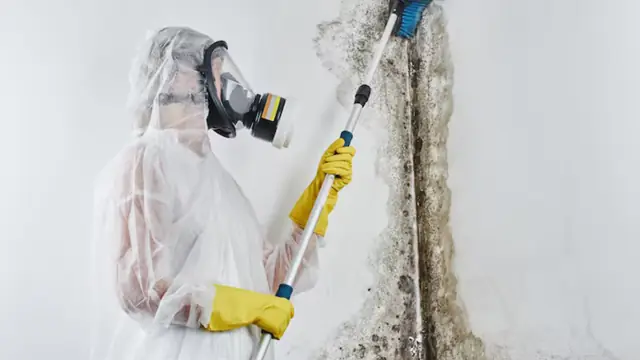
Mold Remediation
Containment, removal and verification of mold growth after a leak, once the moisture source is fixed.
View Mold Remediation →How the six services fit together
Most water losses move through the same sequence. Water is stopped and removed, the structure is dried, damaged material is cleaned out, and only then does rebuilding start. Mold sits beside that sequence because it appears whenever drying falls behind. Each service page on this site covers one stage and says plainly where that stage ends and the next begins.
If you are standing in water right now, start with emergency water removal. If the water is gone but walls and floors still feel damp, water mitigation is the stage that stops the damage from spreading. Once everything is dry, water damage repair rebuilds what was cut out.
| Service | The question it answers | Where it sits in a loss |
|---|---|---|
| Emergency Water Removal | How do I get standing water out right now? | First hours, pumps and extraction units |
| Water Mitigation | How do I stop the damage from spreading? | First 24 to 72 hours, drying setup and monitoring |
| Water Damage Cleanup | What has to be removed and sanitized? | After the source is stopped, before rebuilding |
| Flood Damage Restoration | What if the water came from outside or from a sewer line? | Storm runoff, sewage and larger intrusions |
| Water Damage Repair | How do I rebuild after everything is dry? | Drywall, flooring, paint and cabinets |
| Mold Remediation | What if mold has already started? | Whenever moisture was not dried in time |
If water is still spreading, call first
An active leak or an inch of standing water does not wait for a research session. Call the 24/7 line at (818) 337-2642 and describe what you see. If the water reached an outlet, a panel or a gas appliance, stay out, and contact the utility or 911 before you call a restoration company.
Same-day response is offered when crews are available, and the scope and price are explained before work starts. No page on this site promises an arrival time, because honest dispatch depends on where crews are when you call.
What every job includes
- A walk-through of the affected rooms with moisture readings taken in walls, floors and ceilings, not just on the surface.
- A scope of work in plain language, with the price explained before work starts.
- Photos and notes kept for your insurance conversation. Whether a loss is covered is decided by your insurer and your policy.
- Equipment named in ordinary words: extraction units, air movers, dehumidifiers and moisture meters, with an explanation of why each one is on site.
- Crews that are licensed and insured, with work described in terms of the published ANSI/IICRC S500 water damage standard and, for mold, S520. You are welcome to ask any company, including this one, how its crews apply them.
What restoration does not do
Water damage restoration dries and rebuilds what water already reached. It is not waterproofing, foundation repair or plumbing work. If the cause is a failing pipe, a roof defect or a grading problem, that cause has to be fixed by the right trade or the damage returns. The dispatcher will tell you honestly when your question belongs with a plumber, roofer or waterproofing contractor.
Questions before you decide? Call (818) 337-2642 and describe what you see.
Questions about our services
Which service should I call about first?
Call the 24/7 line and describe what you see. If water is standing or still running, the first stage is removal and mitigation. If everything is dry but stained or damaged, it is cleanup or repair. A single call can start more than one stage.
Do you handle both water damage and mold?
Yes. Mold remediation is part of the same service family because mold follows water that was not dried in time. The mold remediation page explains how testing, containment and removal work.
Can one company handle the whole job from water to rebuild?
The stages are listed separately so you can see what each one involves. Ask on the call whether you want drying only or the full path through water damage repair, and the scope will be explained before work starts.
Do you work with my insurance company?
Crews document the damage with photos and moisture readings that your insurer may ask to see. Coverage and payment decisions belong to your insurer, so check your policy or ask your insurance company what it requires.