
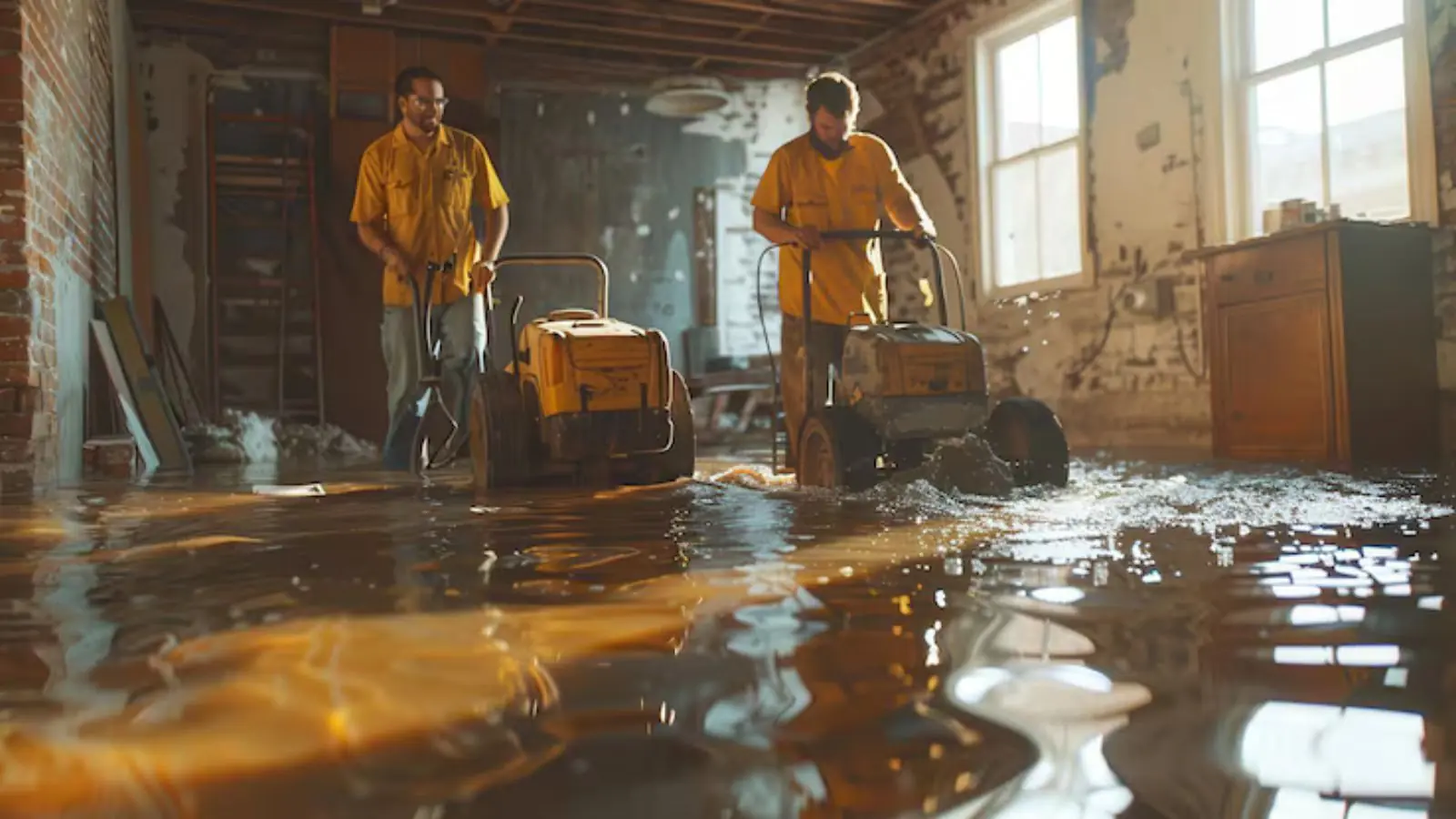
Water damage cleanup is the removal and sanitizing stage of a water loss. Crews pull out carpet pad, wet insulation and drywall that cannot be saved, clean and disinfect what can, and control odor. It starts when the source is stopped, and the first 48 hours decide how much has to be thrown away.
Leak stopped but the floor is still soaked? Shut off the supply, stay out of any water that came from a toilet, drain or outdoors, lift what you can onto dry surfaces and call (818) 337-2642. Someone answers 24/7, so call at any hour.
Soaked carpet and wet walls in the first 48 hours
Safe to do yourself
Stop the water, photograph the room, and move small items to dry ground.
Wear gloves, goggles and boots around any wet floor. Open doors and windows and run fans when the air outside is drier than inside.
Also safe, with care
Mop up clean supply-line water on hard floors, and run a household dehumidifier. Never mix bleach with ammonia or other cleaners.
Leave to a crew
Anything that came from a sewer, a toilet, a washer or outside, plus soaked carpet pad, insulation and drywall. These carry contamination or hold water inside.
Leave alone for now
Keep damaged belongings until the adjuster says you may discard them. Photograph them first, since porous items such as rugs and drywall are often discarded after floods.
Water categories 1, 2 and 3
The ANSI/IICRC S500 standard sorts water by how contaminated it is, and the category decides how aggressive cleanup must be. Category can also get worse with time, since water that sits long enough grows bacteria.
| Category | Typical source | What it means for cleanup |
|---|---|---|
| 1 | Broken supply line, or rain before it touches the ground | Cleanest. Quick extraction and drying often save carpet and drywall. |
| 2 | Washing machine or toilet-tank overflow | Contaminated enough to make people ill. Pad and soaked porous material usually go. |
| 3 | Sewage, rising floodwater, or water that sat for days | Grossly contaminated. Porous material is removed and surfaces are sanitized. See flood damage restoration. |
What gets removed and what gets saved
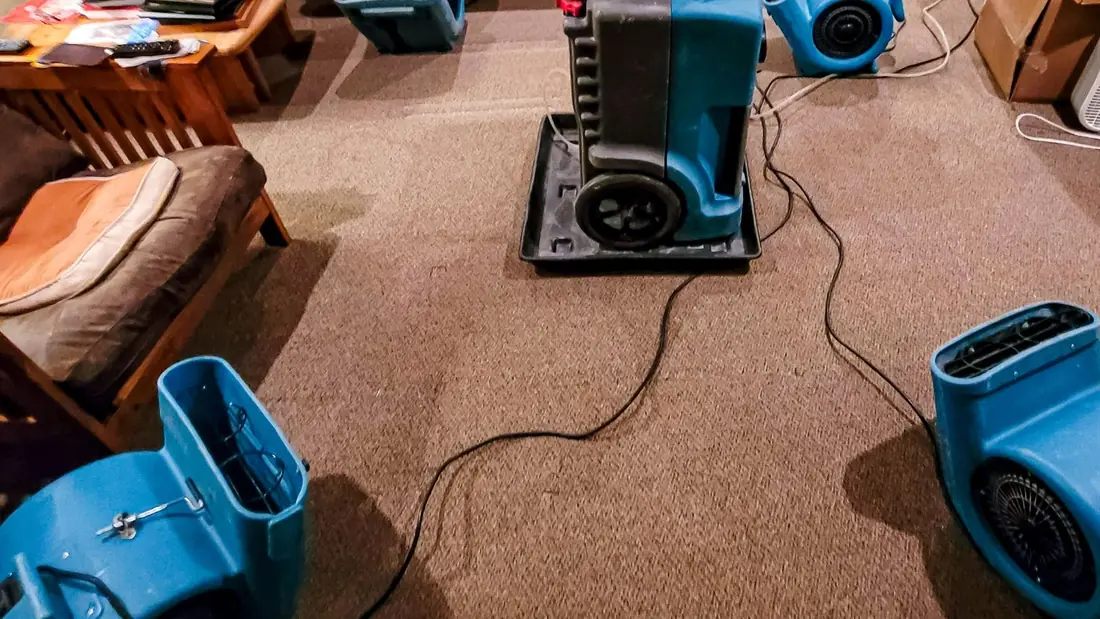
Carpet pad is the first to go in most losses, because it is spongy and hard to clean. Carpet itself can sometimes be lifted, dried and cleaned after a Category 1 spill caught quickly. EPA notes that carpet and other porous materials may have to be discarded once they turn moldy, and mold can hide under carpets and pads.
Drywall and insulation are cut out when they are soaked, sagging or exposed to Category 2 or 3 water. The cut is made above the wet line with a margin, so the new sheet lands on solid framing. Baseboards are often pulled to open the wall cavity and reinstalled if they survive. Solid wood and metal furniture usually clean up. Upholstery, books and papers depend on the category.
Contents pack-out
When a room has to be emptied before tear-out, contents are packed, listed and moved out so crews can work and the room can dry. Each item is photographed and noted on a list, which doubles as your insurance inventory. Items that can be cleaned are cleaned, and the rest are held for the adjuster.
Sanitizing and odor control
Sanitizing comes after debris is out and surfaces are cleaned, because disinfectant cannot work through mud or soaked material. Antimicrobial products go on exposed framing and subfloor, and HEPA air scrubbers filter the air while demolition dust is airborne. Plastic containment barriers keep dust and odor in the work zone.
Odor lives in material, so the cure for a smell is removing the source, not masking it. A lingering sour or sewage-like smell after cleanup usually means wet material is still in place.
Sewer backups and storm runoff in West Hills
In the City of Los Angeles the street sewer belongs to the City, but the lateral running from your house out to the middle of the street is the owner's to maintain and fix. LA Sanitation attributes more than half of backups to tree roots and poured grease, so a repeat backup is worth a lateral inspection.
If sewage reaches your floor, treat it as Category 3. LASAN's 24-hour Customer Care Center, 1-800-773-2489, handles the line, and the restoration line handles the cleanup. Clearing the pipe does not clean the room.
Source: City of Los Angeles, LA Sanitation and Environment (sewer system and wet weather preparedness pages).
Document the loss for your insurer
Photograph first
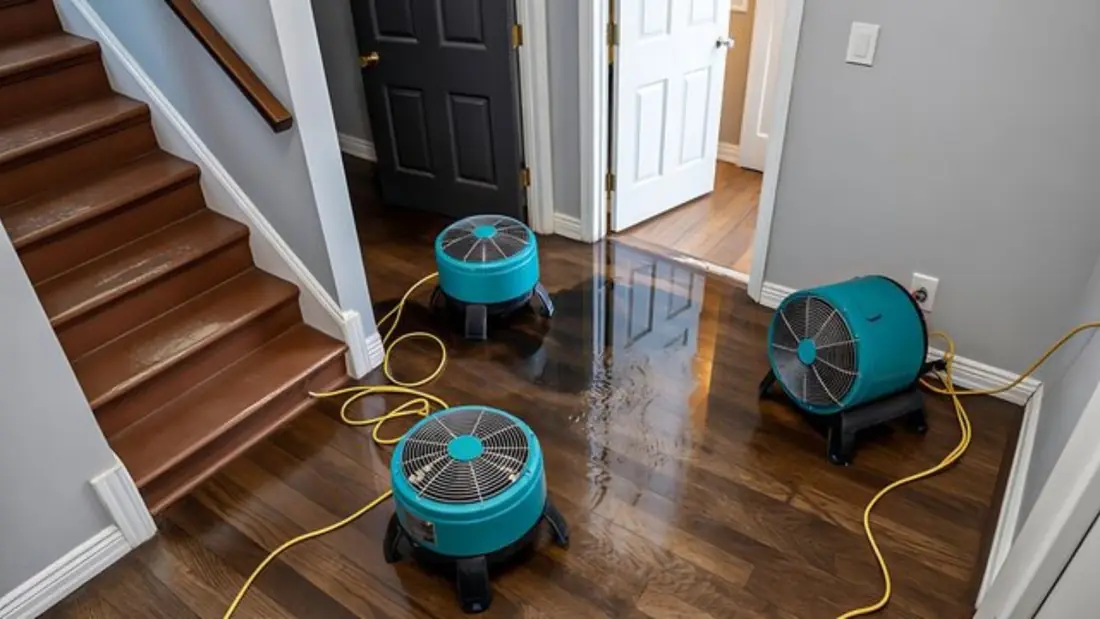
Take photos and video of every room and item before anything is moved or cleaned.
List what was damaged
Write down each item with brand and model, and record rooms one at a time.
Keep receipts
Save receipts for emergency repairs, and for living expenses if you cannot stay home.
Log every call
Note who you spoke with and keep copies of every message with your insurer.
Hold damaged items
Keep damaged items until the adjuster says to discard them, and get written bids from licensed contractors.
What affects the cost of cleanup
- Water category, since Category 3 needs more removal and sanitizing.
- Area affected and how many rooms were wet.
- Materials removed, such as pad, insulation, drywall or flooring.
- Contents handling, including pack-out and cleaning.
- Days of air scrubbers and drying equipment before rebuilding.
Cleanup is often part of a covered claim when the cause was a sudden event, and rarely when it was a slow leak or neglect. Flood cleanup typically depends on a separate flood policy, so read yours. Want your real number? Call (818) 337-2642 and get the scope and price explained first.
Water gone but the mess is not
Call (818) 337-2642 for same-day response when available.
Where cleanup ends and the next stage begins
If water is still on the floor, start with emergency water removal, and keep walls from staying wet through water mitigation. Once cleanup is done and the structure reads dry, water damage repair rebuilds it. If dark spots appear, mold remediation covers testing and removal under S520. Crews also serve nearby Chatsworth.
Water damage cleanup questions
Do you handle water damage cleanup emergencies at night or on weekends in West Hills?
Yes. Calls are taken overnight, on weekends and on holidays, and cleanup crews go out the same day when one is available. No arrival time is promised. Meanwhile, stop the source, stay out of contaminated water and photograph the damage.
Is it safe to clean up water damage myself?
Clean water from a supply line on a hard floor is manageable. Sewage, floodwater and anything from a toilet or washer carries contamination, so wear gloves, goggles and boots at minimum, or leave it to a crew. Never mix bleach with ammonia.
Can wet carpet and pad be saved?
Sometimes carpet can be lifted, dried and cleaned after a quick Category 1 spill, but the pad is usually replaced. Carpet that sat in Category 2 or 3 water is generally removed. EPA notes mold can hide under carpets and pads.
How do I know which water category I have?
The source gives the first clue: a broken supply line is usually Category 1, a washing machine overflow Category 2, and sewage or floodwater Category 3. Time matters too, because water that sits can worsen. The crew confirms the category on site using the S500 standard.
What should I keep for an insurance claim?
Take photos and video, list damaged items with brand and model, and keep receipts for emergency repairs and living costs. Log your calls and keep copies of letters. California's Department of Insurance says to keep damaged items until the adjuster says otherwise.
How soon can mold start after a water loss?
Mold needs moisture to grow, and the EPA's rule of thumb is a dry structure within 24 to 48 hours. That is why soaked material is pulled out quickly. If you already see dark spots, mold testing and removal are covered under S520 on the mold page.