
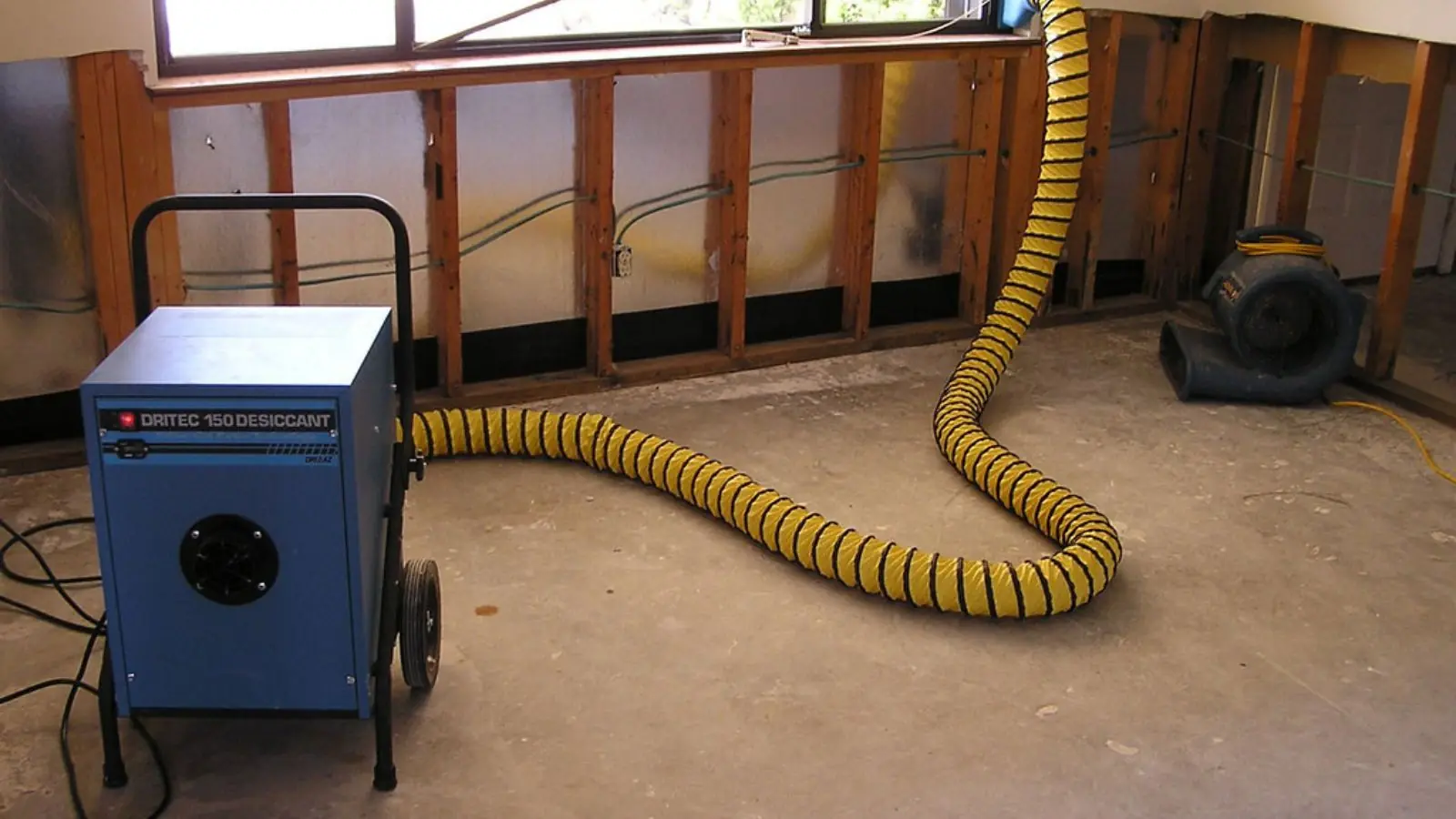
Most homeowners meet a restoration crew on the worst day of the year. There is water on the floor, the phone is ringing with questions from the insurer, and a stranger is carrying fans through the front door. Knowing the sequence in advance turns that into something you can check instead of something you have to trust blindly.
The sequence below follows the logic of the ANSI/IICRC S500 standard for water damage restoration. You can ask any company how its crews apply it, and the answers should line up with what you see in your house.
Stage one: safety, source and a first look
Before equipment comes off the truck, the crew confirms the source is stopped and checks the area for electrical hazards. They note where the water came from and how long it has been there, because a clean supply-line leak and a day-old sewage backup call for different plans.
You will usually be asked three things: when it started, what was affected, and whether anyone has already moved furniture or lifted carpet. Answer plainly, since those details save hours.
Stage two: moisture mapping shows where the water went
Water travels. It wicks up drywall, runs under baseboards, soaks the carpet pad and spreads under cabinets. A technician walks the area with a pin or pinless moisture meter and records readings at marked points, often on a sketch of the floor plan.
A thermal imaging camera helps by showing temperature patterns that point to wet cavities, though it measures heat and not moisture itself, so the meter confirms what the camera suggests. Readings from an unaffected room give the crew a dry reference to aim for.
The rest of the sequence at a glance
| Stage | What happens | What you should see |
|---|---|---|
| Extraction | Truck-mounted or portable extraction units pull standing water. Wands and weighted tools work carpet and pad. | Standing water gone within the first visit, floors damp but no longer pooled. |
| Controlled removal | Wet pad, baseboard, or the lower strip of drywall comes out when it cannot be dried or is contaminated. | Clean cut lines, bagged debris and drywall removed above the wet line. |
| Drying setup | Air movers are placed to sweep surfaces, and LGR dehumidifiers pull moisture from the air. Cavities may be vented or injected with dry air. | Machines in each wet room, doors and windows kept closed, steady noise. |
| Monitoring | Technicians return to record meter readings and room humidity, then move or remove equipment as areas dry. | Written readings dropping from visit to visit, equipment reduced as rooms reach target. |
| Cleaning | Surfaces are cleaned and, for Category 2 or 3 loss, disinfected. HEPA air scrubbers and containment barriers handle dust. | Plastic barriers where needed, wiped surfaces and no lingering sour smell. |
| Documentation | Photos, moisture logs, equipment lists and a scope of work are kept from day one. | A file you can hand to your adjuster without asking twice. |
| Rebuild | Drywall, insulation, paint, flooring and trim are replaced after final dry readings. | Matching texture and paint, with a scope and price you agreed to first. |
Why monitoring is the step people skip
Drying equipment usually runs for a few days on a typical clean-water loss, and longer for thick materials such as hardwood, plaster or wet insulation. That range is an industry estimate and not a promise, because the real answer comes from the meter.
A crew that sets machines and returns only to pick them up has not monitored anything. Ask to see the readings. They should fall from visit to visit, and equipment should come off a room only when it reads close to your dry reference.
Questions to ask the crew lead
Which materials are you removing and why? What are the target readings? How many visits are planned for monitoring? Will I get the moisture log and photos at the end?
Rebuild comes last, and it is a separate decision
Once readings reach the target, the rebuild starts. This is ordinary construction work: hanging and finishing drywall, replacing insulation, priming, painting and fitting flooring or trim. Our water damage repair service handles that phase, and water mitigation covers the drying that comes before it.
You can use the same company for both or separate them. Either way, get the rebuild scope and price in writing before work begins, since concealed damage found behind a wall can change it.
Want to know what your job would involve?
Call (818) 337-2642 and describe what got wet. We will walk through the stages that apply to your house.
Permits and licensing for repair work in West Hills
Because West Hills sits inside the City of Los Angeles, the Department of Building and Safety (LADBS) is your permit office. Its Express Permits bulletin names two items that matter here: water, termite or dry rot repair that costs under 10 percent of a residential building's replacement cost, and drywall replacement with no new walls in single-family homes and duplexes. Under Express, you still get a permit, but plan check is skipped.
Whether a given job needs a permit turns on its scope, and we found no City page spelling out when water damage repair needs none. Put the question to LADBS before the rebuild begins, and ask your contractor who will pull the permit.
On licensing, the state Contractors State License Board (CSLB) requires a license once labor and materials on a project reach $1,000. That threshold rose from $500 on January 1, 2025. CSLB also lists no classification specific to water damage restoration, so ask which license covers the rebuild trades, such as drywall or painting.
Source: LADBS Express Permits bulletin (revised 2024), California Contractors State License Board
A short checklist for the day your job finishes
- Final meter readings at or near your dry reference, in writing.
- All removed materials listed in the scope and photographed.
- Equipment gone from every room, with no musty smell in closed areas.
- Rebuild scope, price and permit responsibility agreed before work starts.
- Copies of photos and logs saved somewhere you can find them.
The same sequence applies whether the call comes from Vanowen Street or from nearby Chatsworth and Winnetka, so the checklist works anywhere in the west Valley.
Questions about the restoration process
Does a rebuild in West Hills need a permit?
It depends on the scope. LADBS's Express Permits bulletin covers some smaller water damage repairs and drywall replacement in houses and duplexes, with a permit but no plan check. Call LADBS about your own job, and agree with the contractor on who pulls the permit.
How long does drying take?
Typically a few days for a clean-water loss in common materials, and longer for hardwood, plaster or saturated insulation. That is an industry estimate and not a promise. The moisture log tells you when the structure has reached its target, so ask to see the readings.
What is the difference between mitigation and repair?
Mitigation stops the damage from growing: extraction, removal of unsalvageable materials and drying. Repair rebuilds what was removed, such as drywall, paint and flooring. Mitigation usually happens first and fast, while repair can wait until the structure is dry and the scope is agreed.
Why do crews cut holes in a wall that looks fine?
Water often travels behind the surface. A small hole or a lifted baseboard lets the crew check insulation and the wall cavity with a meter, and lets dry air in. Patching small openings is routine drywall work, and it beats leaving wet insulation to stay damp.
Do I need a licensed contractor for a small repair?
Once labor and materials reach $1,000, or when a permit is required, California expects a licensed contractor. Look up the contractor on the CSLB website before work starts.