
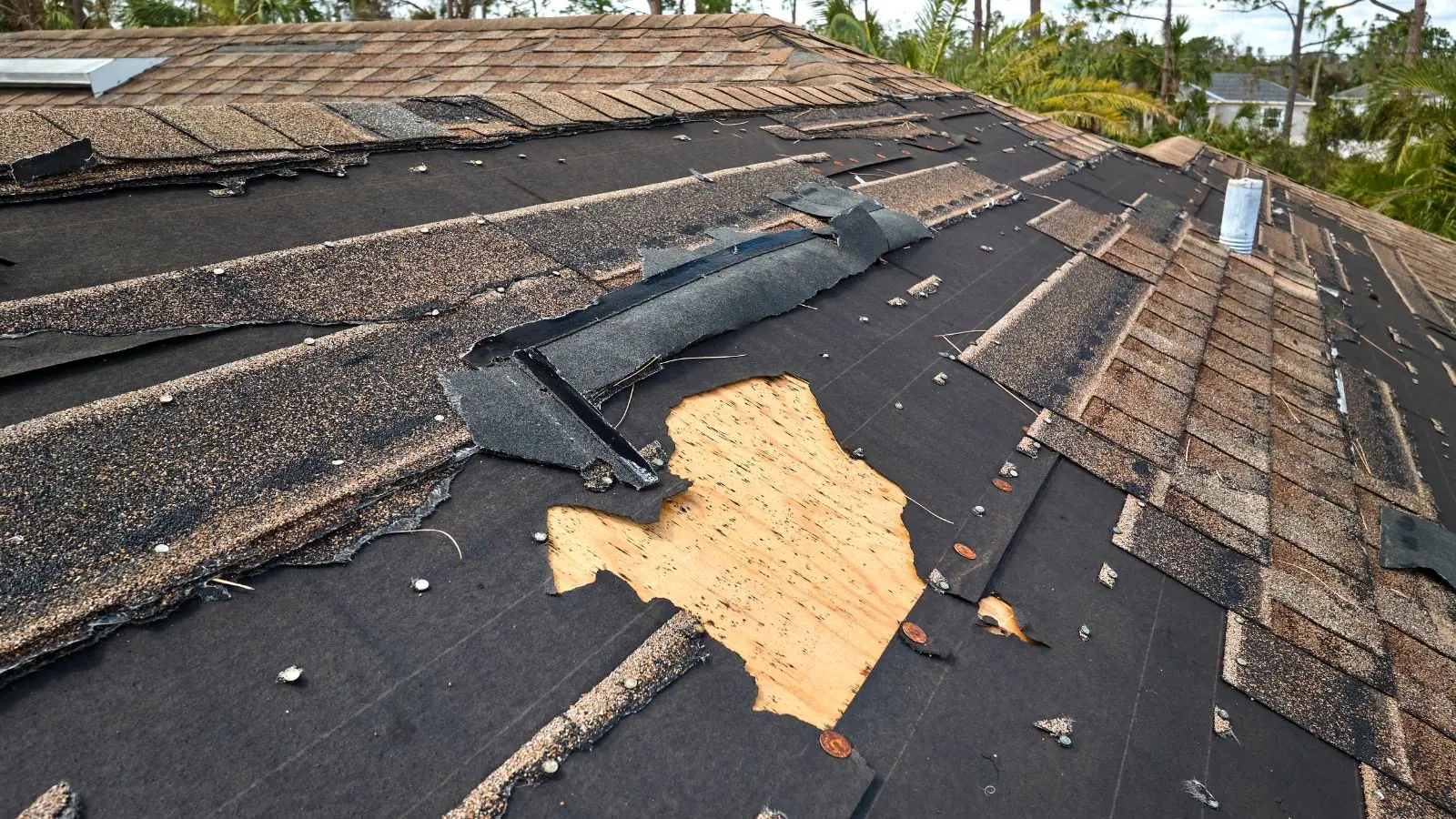
Storm water damage is water that enters or surrounds a home because of a rain event: wind-driven rain at windows and doors, overflowing gutters, saturated soil and runoff reaching low entries. If it is happening now, call the 24/7 line at (818) 337-2642. Until someone arrives, keep everyone out of moving water, lift valuables off the floor, stay clear of any downed power line, and do not drive through a flooded street.
A storm rarely sends water through one door. It tends to find several weak points over a day or two, so the job is to find them all, remove the water and dry what it touched.
Storm water coming in right now
While rain is still falling, your job is to limit damage, not to fix the cause. Dispatch is open through the night and on weekends, and a licensed and insured crew can often come the same day when available. Wet-weather roads slow everyone, so tell dispatch what you see.
- Move electronics, documents, shoes, boxes and stored items off the garage floor and the lowest shelves first.
- Roll up rugs and pull furniture away from wet exterior walls. Prop wet cushions and wood legs on foil or plastic blocks.
- Lay towels or rolled blankets at the base of a door that is leaking, and wipe sills so water does not run into the wall.
- Know where the main water valve and the electrical panel are. You may need to reach them quickly, but only with dry hands and a dry floor.
- Photograph the water line and the entry points now, before the storm passes and the evidence drains away.
How a multi-day storm gets into a house, in the order things fail
Storm damage follows a sequence, and knowing it tells you where to look. The earliest failures happen outdoors and are easy to miss in the dark.
Gutters and downspouts overflow
Debris blocks the gutter, water spills over the edge and lands against the foundation instead of being carried away.
The ground saturates
After a day or two of rain the soil cannot take more. Water pools along the slab and exterior walls and looks for a crack, a gap or a doorway.
Wind pushes rain sideways
Rain blown at a window or door gets past worn seals, weatherstripping and sill gaps that stay dry in ordinary weather.
Runoff reaches low entries
Water running down a driveway or street collects at the garage door and any ground-floor threshold below the street.
The roof gives in last
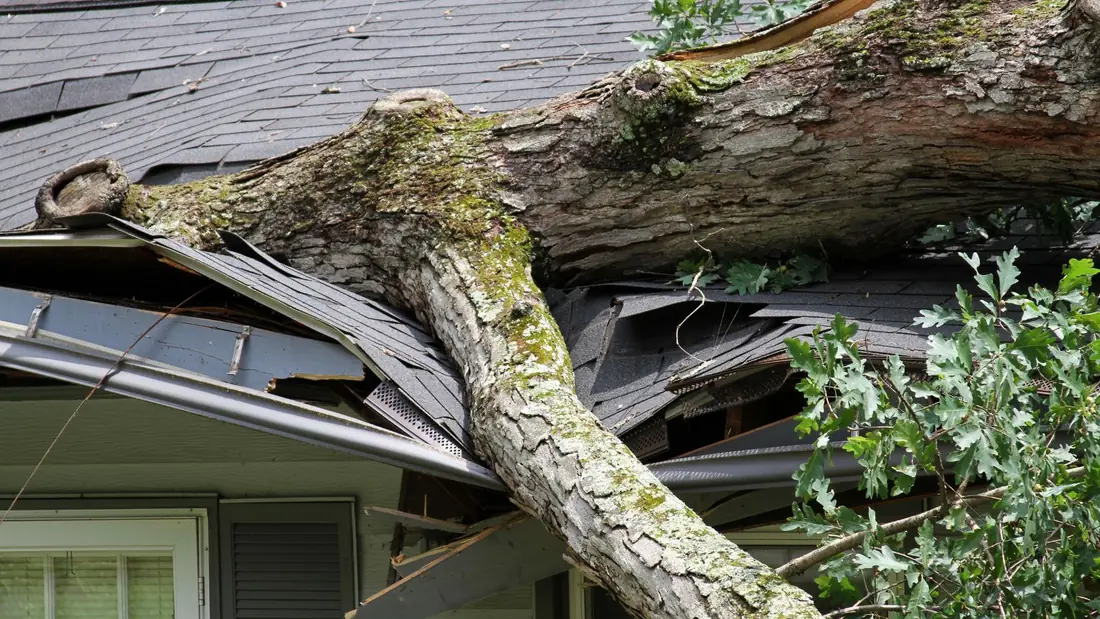
Long saturation finds a weak flashing or lifted tile. That case is covered on the roof leak water damage page.
Why atmospheric river storms damage more homes on day two
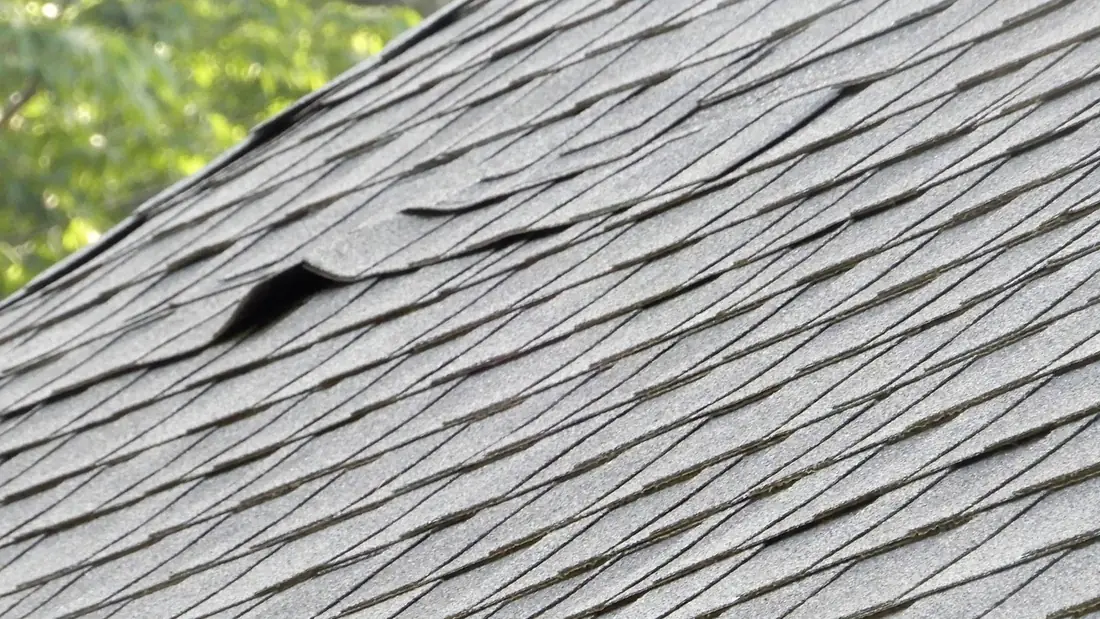
An atmospheric river is a long, narrow band of moist air that carries water vapor from the tropics toward higher latitudes. NOAA says a few of these events deliver roughly 30 to 50 percent of the annual precipitation in West Coast states. When that much rain falls in a few days, the ground fills up and the second and third days do the harm.
That is also why a home can stay dry through hour one and still have a wet slab on day three. Watch for damp baseboards, a cold musty corner or a garage floor that stays dark. Those signs often appear after the rain has eased.
Wet sill, damp baseboard, dark garage floor: what each one means
Wet sill and soaked curtains
Wind-driven rain got past the window or door seal. The water that reached the wall below the sill often goes unseen, so check the wall for soft paint or swelling trim.
Damp baseboard on one exterior wall
Saturated soil is pushing water at the wall. Drywall wicks that moisture upward, so a damp strip at the bottom can be much wetter inside.
Wet or dark garage floor
Runoff reached the door or the slab seeped. Stored boxes, drywall and the base of the water heater are the first things to suffer.
Brown, muddy or smelly water
Water carrying soil, sewage or debris is handled with more caution. See flood damage restoration for how contaminated water is treated.
Storm safety steps for the first hour while it is still raining
The rain is the hazard, and so is what it does to roads, wires and floors. Keep these in order.
Electricity and downed lines
The City of Los Angeles tells residents to treat every downed power line as live. Stay far back and call 911 or the utility. Indoors, flip a breaker only if the panel is dry and you can reach it without stepping in water. Otherwise leave it alone and call first.
Moving water
Do not wade into running water to rescue belongings. The National Weather Service says as little as six inches of water can make a vehicle lose contact with the road, and about 18 inches can sweep it away. Turn around when a street is flooded.
Sandbags
Sandbags divert shallow flow, and they do not make a watertight seal. LAFD gives out ready-to-fill bags at its neighborhood stations, up to 25 per household, but does not fill or place them. Call ahead, since sand is stocked only at some stations.
Storm drains and sewers
Clogged storm drains can be reported through the City's 3-1-1 service. LA Sanitation asks callers to limit calls during heavy rain to critical, urgent flooding. Sewage coming up through a drain is a contamination case, so keep out of it.
Storm water, floodwater and roof leaks: which page fits
| What you see | Likely source | Where to go |
|---|---|---|
| Wet sill, damp wall under a window | Wind-driven rain past a seal | This page, with water mitigation for the drying |
| Standing water in the garage | Street or driveway runoff | This page for clean runoff, emergency water removal for pumping |
| Muddy, brown or sewage-smelling water | Floodwater or sewer backup | Flood damage restoration |
| Stain or drip from the ceiling | Roof opening | Roof leak water damage |
| Damp walls days after the rain stopped | Saturated soil against the foundation | This page, then a drainage or grading contractor |
How the crew handles storm water damage
The crew starts with the water you can see and then looks for the water you cannot. An extraction unit or a submersible pump clears standing water from a garage or ground floor. A moisture meter reads the lower few feet of each exterior wall, and a thermal imaging camera reveals cold, damp pockets behind paint and trim.
Wet carpet, pad and the bottom of soaked drywall are removed if they cannot dry in place. Air movers and an LGR dehumidifier then dry the room and the wall cavities. Because the air outdoors is damp during a storm, the equipment works in a closed room. Opening windows to help would add moisture.
Storm water that carries soil or sewage is treated as contaminated, with HEPA air filtration and disinfection. The published ANSI/IICRC S500 standard sorts water into categories, and the category sets how much has to be removed. Ask the crew to explain the category and the plan before work starts.
What shapes the cost of storm water damage work
Storm jobs vary widely, and these factors do most of the work in setting the figure:
- The category of the water, since clean rain and muddy runoff are handled differently.
- How much floor and wall area is wet, and how high up the walls the water climbed.
- The materials involved, such as carpet, hardwood, drywall, insulation and cabinets.
- How long the drying runs and how much equipment the rooms call for.
- The rebuild afterward, which is covered on the water damage repair page.
Need a figure for your own house? Ring (818) 337-2642 and ask for the scope and price to be explained before work begins.
Storm damage and insurance: wind, flood and what is left out
Storm coverage depends on how the water arrived. The California Department of Insurance says a standard homeowners policy does not cover flood, and mud and debris flows are commonly excluded as well. A September 2026 release from the department adds that some policies address water damage from wind-driven rain, so ask about that wording.
Flood cover comes from the federal National Flood Insurance Program or a private flood policy, and either generally takes effect 30 days after purchase. That is too late for a storm already overhead. Photograph the damage, keep a log of calls, save receipts for temporary protection, and read your policy before you make permanent repairs.
Storm prevention and mistakes to avoid
- Clean gutters and yard drains before the rain season. The City tells residents to do this.
- Recaulk window frames and replace worn weatherstripping at doors and the garage door seal.
- Look at how the ground slopes near the house. Soil that tilts toward the wall sends water there.
- Keep stored items off the garage floor and out of low cabinets.
- Do not wait for the storm to end before calling about wet drywall or insulation. Damp materials can start supporting mold in a day or two.
- Do not use a wet-dry vacuum or space heater in standing water or near wet outlets.
Rain season and storm resources near West Hills
LA Sanitation runs its wet-weather plan from October 15 through April 15, with the heaviest rain usually from December through February. Plan to have gutters cleared and sandbags collected before October 15, not during the first storm.
NOAA's 1991 to 2020 monthly normals for the Van Nuys Airport station put January at 2.75 inches, February at 3.79 and March at 2.50. That is about 9 of the station's 13.42 inches in three months. A single wet week can deliver a big share of a year.
LA County Public Works reported an atmospheric river over a holiday week with more than seven inches of rain in parts of the county. The report does not name West Hills, so take it as a sign of how much one storm can drop, not as a figure for your street.
Source: LA Sanitation wet weather page, NOAA NCEI 1991 to 2020 monthly normals (Van Nuys Airport), LA County Public Works release, NOAA climate.gov, City of Los Angeles, LAFD, NWS
Storm water at the door tonight?
Phone any hour of the night. Tell dispatch where the water is getting in, and the right equipment gets sent your way.
Storm calls from West Hills and the streets nearby
Dispatch covers Winnetka, Canoga Park and Chatsworth along with West Hills, and the line stays open through storms. If your trouble started with a drip from the ceiling and not from the doors or the ground, read the notes on roof openings first.
Questions about storm water damage
Is emergency storm water cleanup available in West Hills, CA?
Yes. The line is answered all day and all night, on weekends and on holidays too, and same-day response is offered when crews are available. Call (818) 337-2642. Wet roads slow every driver, so say which side of the house the water is on and roughly how high it has climbed.
Is rain that blew in through a window covered by insurance?
It depends on your policy. The state insurance department notes that some policies address rain driven sideways by wind, while flood is generally excluded. Photograph the wet window area first, keep receipts, and put the question to your insurer.
Water is pooling at my garage door. Will sandbags stop it?
Sandbags can steer shallow flow away from a door, and they will not seal a threshold. Stack them before the water arrives and lay plastic sheeting under them if you can. LAFD provides ready-to-fill bags, but you fill and place them. Deep or fast water calls for leaving the area.
How is storm water damage different from flood damage?
Storm water damage is the result of the rain event itself: windows, gutters, runoff and saturated ground. Flood damage is the cleanup of floodwater, which is treated as contaminated. The two overlap when runoff picks up mud or sewage. See the flood damage restoration page for that case.
It is still raining. Should I wait to start drying?
No. Removing standing water and wet materials can start while it rains, and drying equipment runs in a closed room regardless of the weather. Waiting for a dry forecast lets drywall and insulation stay wet for days. The crew can also tell you what to hold off on until the rain stops.
Should I turn off the power when water reaches my floor?
Only when you can reach a dry panel without stepping in water. If water has reached outlets or the panel, or you see sparks or smell burning, stay out and ring 911 or the utility first. Treat any downed outdoor wire as live.